
Education
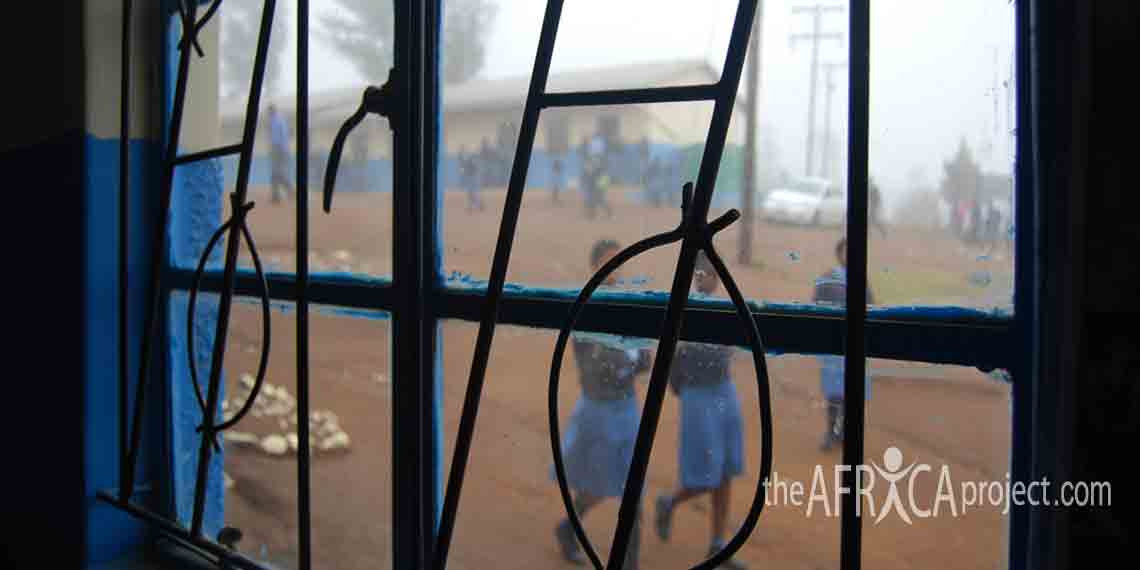
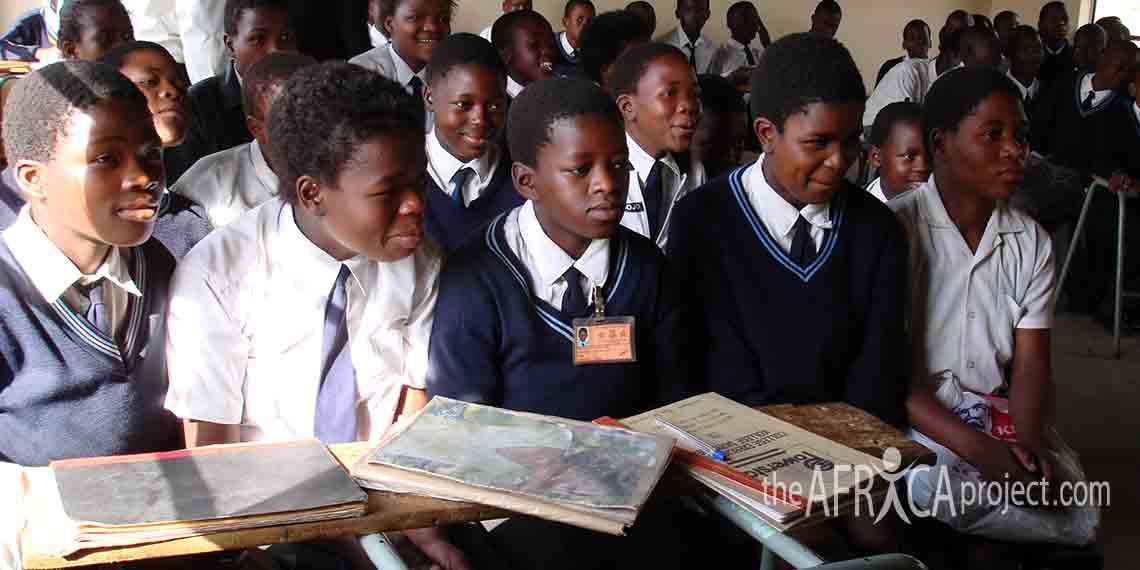
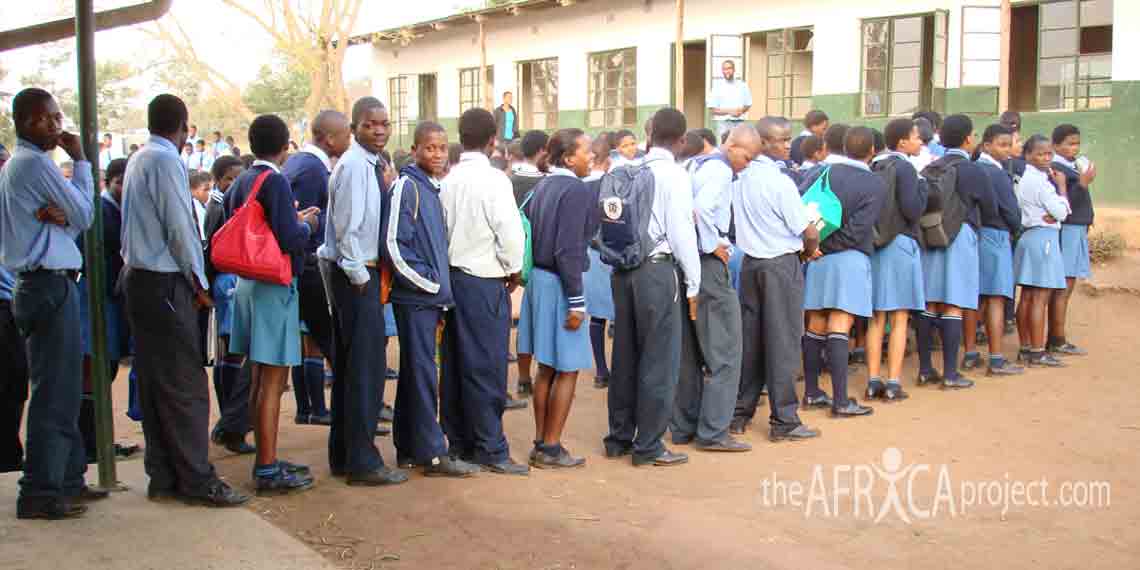
Children throughout Nkandla walk very long distances to get to their nearest school. They know that education is their chance for a better life. The young people we’ve met over the years are brilliant, talented young learners eager to go to school. Unfortunately, there are many barriers that may get in their way.
School Uniforms
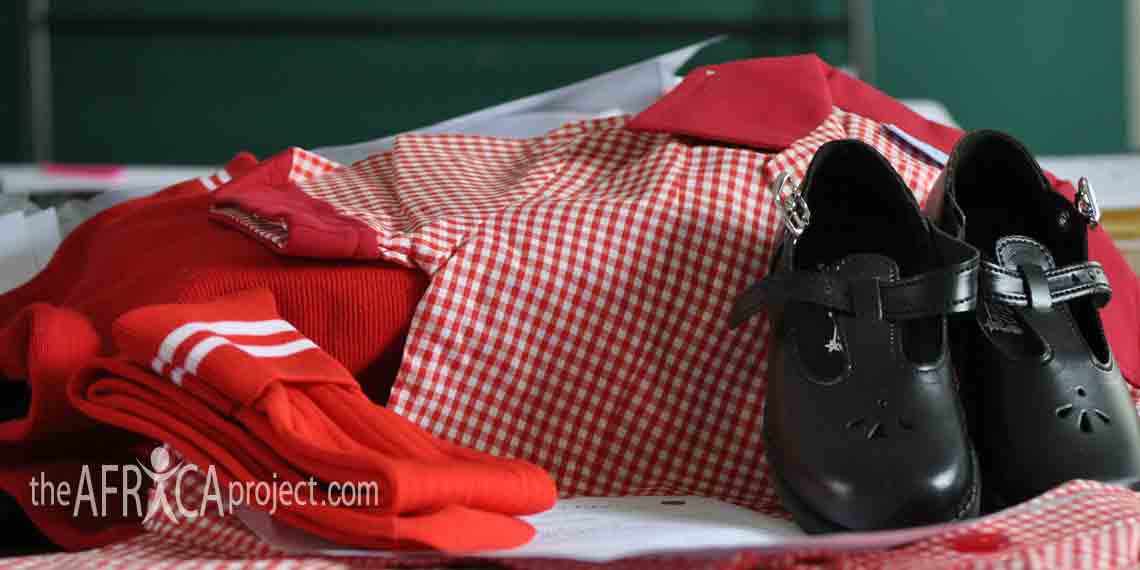
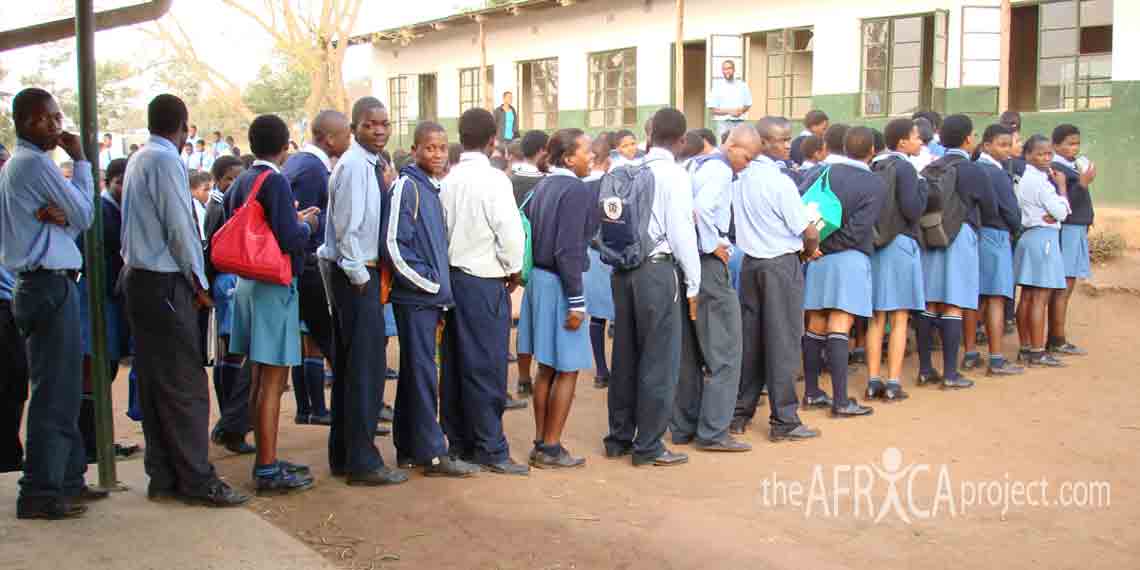
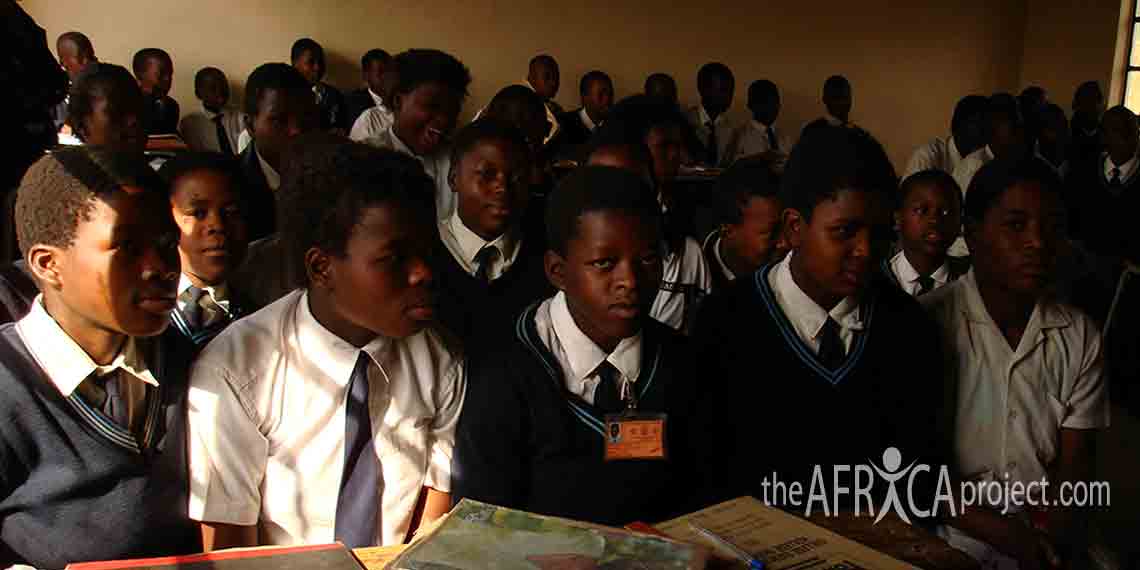
No School Uniforms: A school uniform is required for all learners in Nkandla. Those who cannot afford the uniform do not attend and fall behind in their studies. The Africa Project supports efforts to get school uniforms and shoes to those who are in need.
If you would like to sponsor a school uniform as a gift or honorarium, please let us know. We will send a card acknowledging your gift together with a beaded item from Nkandla.
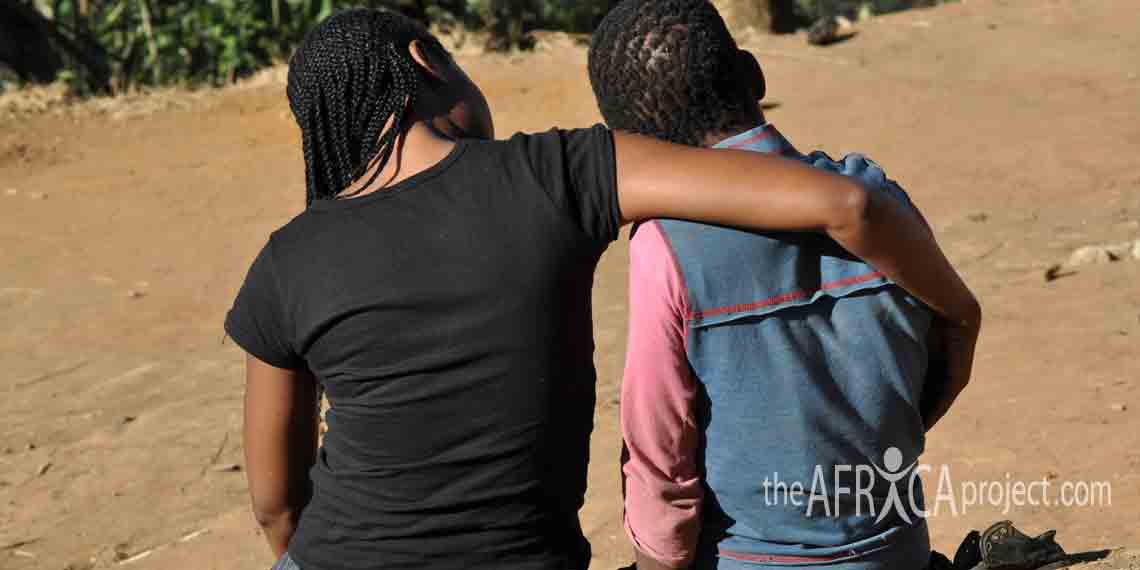
Caring for Family
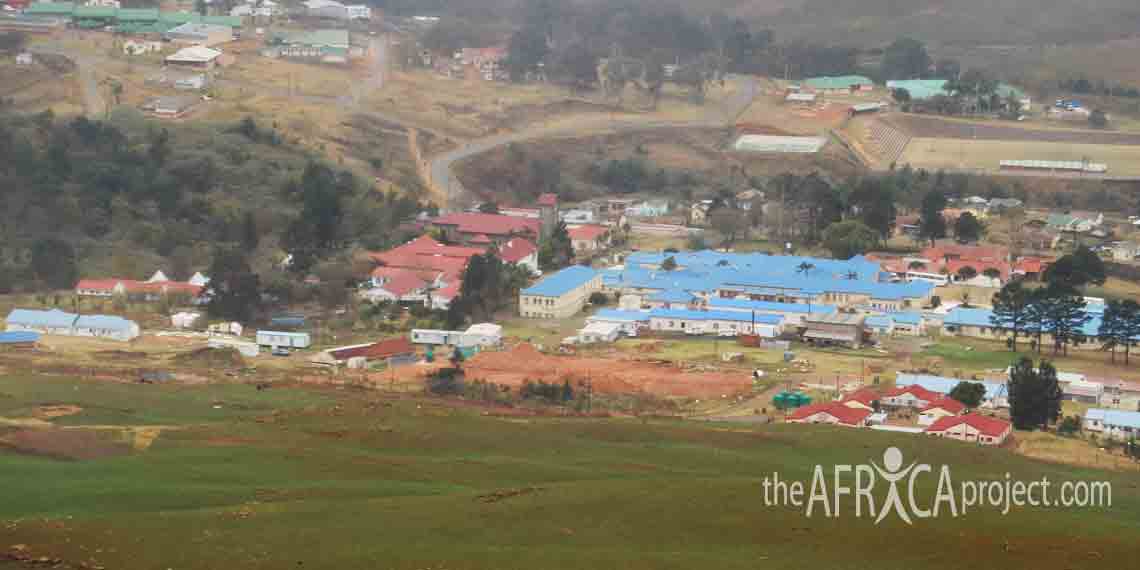
Schools in Nkandla

Sponsor a School Uniform
One by One
By Peggy Goetz, Africa Unfinished
Some days I cannot see any
hope for Africa, the leaky human
ship of it. When one tiny hole
is patched a fist blow breaks another,
desperate baling by sucking in
one noxious mouthful at a time
and spewing it overboard.
Some days I cannot see any
hope for Africa.
Then I see a face, a smile,
a child who studies hard,
a doctor who returns to help
her village, a principal who
lets his students sleep on
the floor of his modest home
because they live too far,
a nun who’s worked here
half a century still laboring
every day, a young woman who’s
kept her four sisters safe and fed
after both parents died of AIDS.
There is hope for Africa,
one person at a time.
The Africa Project supports the Sizanani Outreach Programme (SOP) and the Duduza Care Centre.