
Health Care
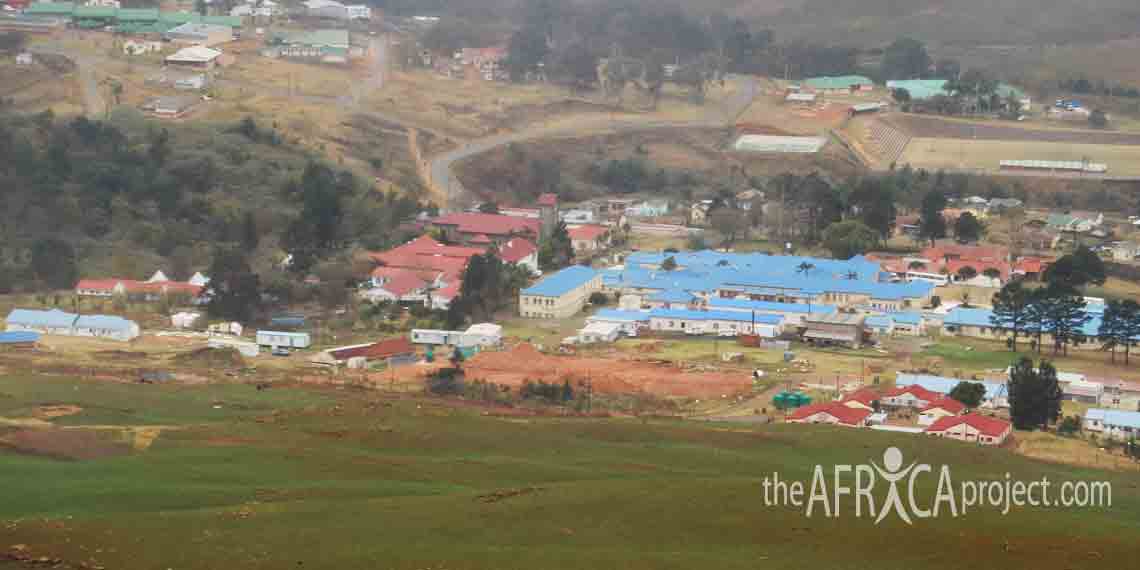
Health Care – Access to health care is critical.
HIV/AIDS rates in Nkandla are extremely high, with an estimated 1 in 3 women and 1 in 4 men infected with the virus. In addition, multidrug resistant tuberculosis exasperates an already difficult situation. Extreme poverty persists, with unemployment rates estimated to be about 90 percent. It is important to note that Nkandla spans more than 1100 square miles and that most roads are unpaved. Very few people have automobiles or other forms of transportation. While there are buses (small vans they call “taxis”) most cannot afford the fees. Walking is the primary mode of transportation and while there is a hospital and eleven clinics throughout the region, the distance – and the nature of the roads – make accessing health care and other vital services difficult for the vast majority of people. For those who are sick, it is nearly impossible.
The Africa Project supports the Sizanani Outreach Programme (SOP) and Duduza Care Centre. These local nonprofits deliver services to individuals and families in their homes or via outlying service points (e.g. schools, clinics or community venues). SOP’s Home Based Care follows a holistic model they call HELPEN, which addresses the complex issues that these families face. The HELPEN model includes: health, education, employment, legal, psychosocial, environment, and nutrition.
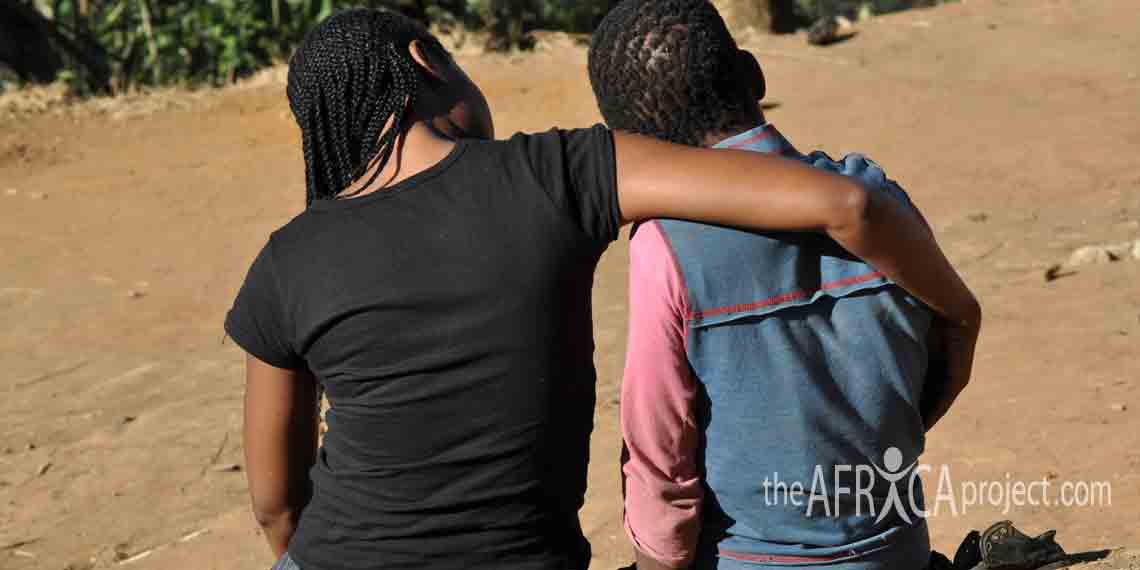
Promoting Adherence to Treatment: Patients receiving antiretroviral treatment (ART) must follow a strict regimen since adherence is linked to treatment success or failure. Many factors contribute to non-intentional and intentional poor adherence. Social workers host regular support groups for those in treatment. Caregivers conduct pill counts, check in with treatment buddies, and provide one on one support to clients as needed.
Preventing Mother to Child Transmission (PMTCT): HIV positive pregnant mothers can prevent the spread of HIV by following a strict PMTCT protocol. The challenge is to test women early in their pregnancy, enroll them in the PMTCT programme, and support them throughout their pregnancy.
Antiretroviral Treatment (ART) Down-Referral: For many, the distance to the hospital makes it impossible to get there and would ultimately result in fewer people having access to the life-saving treatment or poor adherence. Through the Down-Referral program, patients may collect their treatment or see a doctor at one of the clinics in the region.
HIV Counseling and Testing (HCT): Identifying those who have HIV is critical in preventing further transmission and ensuring early treatment for those who are positive. Trained HCT counselors provide health education and HCT services at homesteads and at various service points. The team works with their local community hospital and clinic staff to provide HCT at special activities and events in the community.
Tuberculosis (TB) in Nkandla: TB in this region is extremely high. The impact of TB and HIV co-infection is dire. The problem is worsened by the emergence of multidrug resistant (MDR) forms of TB, which are difficult to treat.
TB Screening and Treatment: SOP team members are trained to identify signs of TB and collect sputum for testing. Patients diagnosed with TB are supported in their treatment. Since adherence is critical, team members check in with clients and conduct pill counts during their treatment, which lasts at least six months.
Veritas
By Peggy Goetz, Africa Unfinished
There is no truth, she said,
in what you think you see
in the dark eyes of a starving
village. You, from the land
of the possible with shelves
filled with food, streets safe
at night, schools for everyone,
a place where Death only visits.
You think anything’s possible.
You can never in a lifetime
know the truth for my people.
The Africa Project supports the Sizanani Outreach Programme (SOP) and the Duduza Care Centre.