
Nutrition
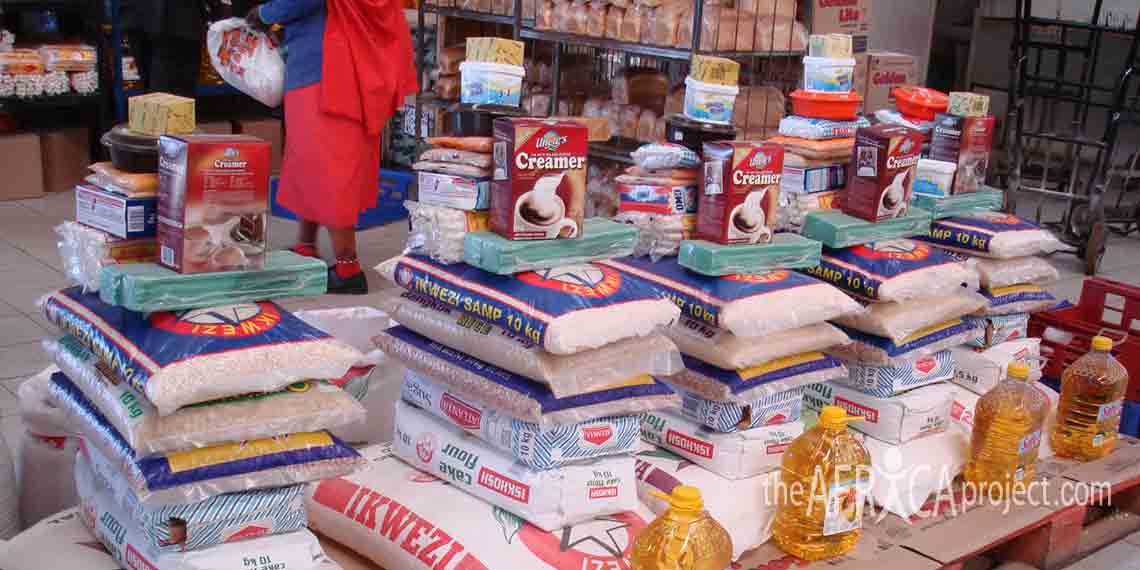
The vast majority of children and families in Nkandla do not have enough to eat and are struggling to get through today. The Africa Project supports efforts to bring food aid to children and families in need on a regular basis, until more sustainable solutions are found.
Clinical Nutrition: Children affected by malnutrition and anyone receiving treatment for HIV/AIDS or TB are in need of nutritional support to ensure that they have foods that are high in proteins. The Africa Project supports efforts to bring clinical nutrition to those in need.
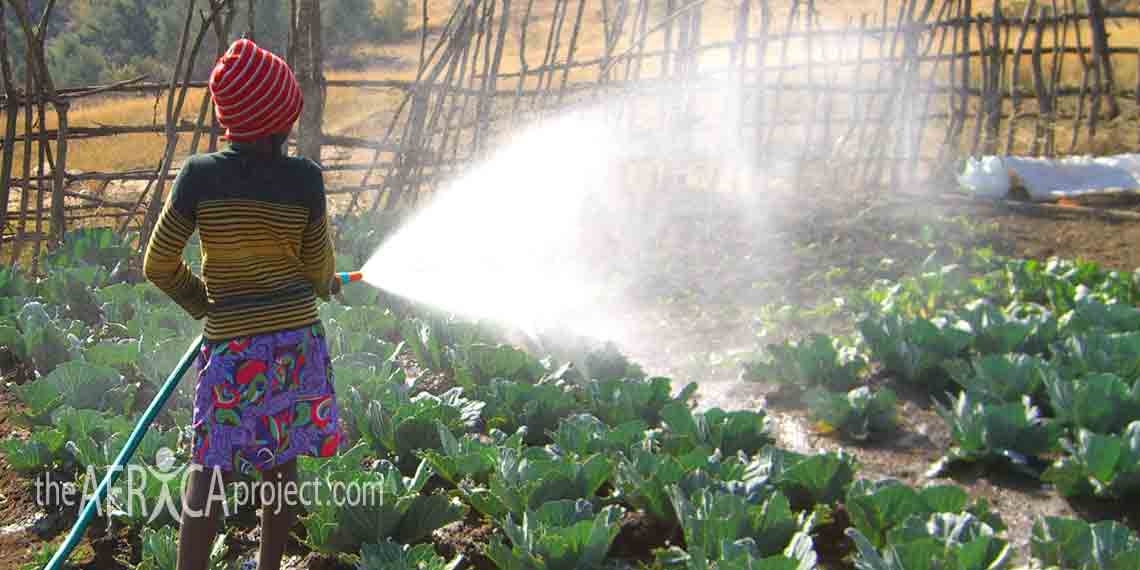
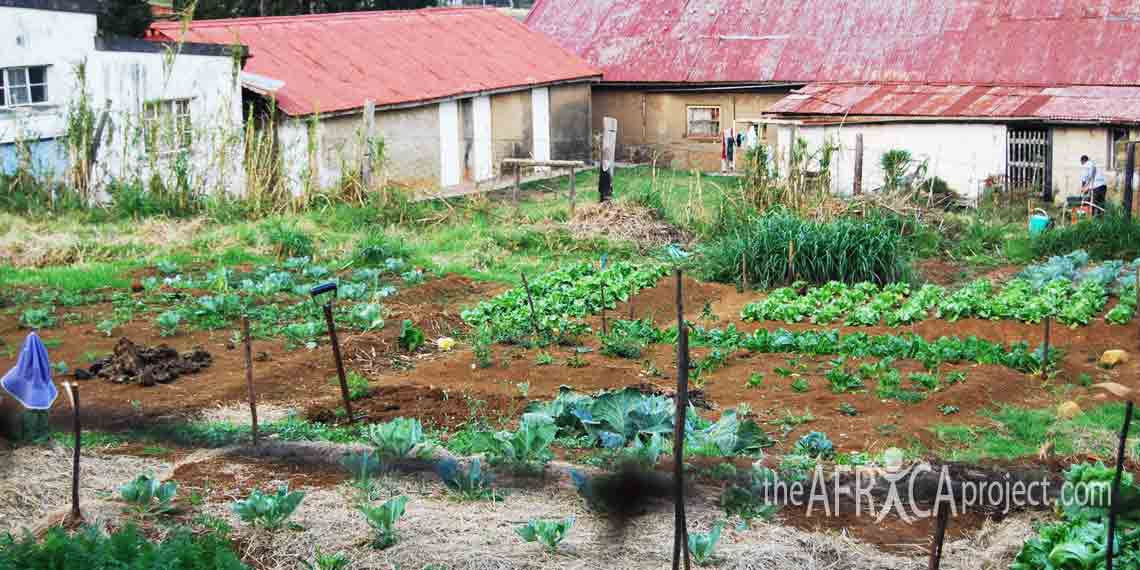
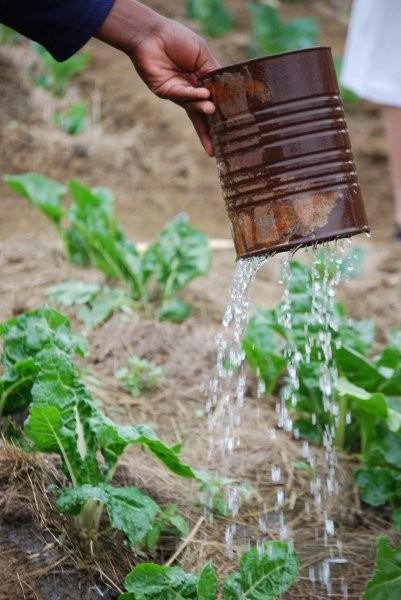
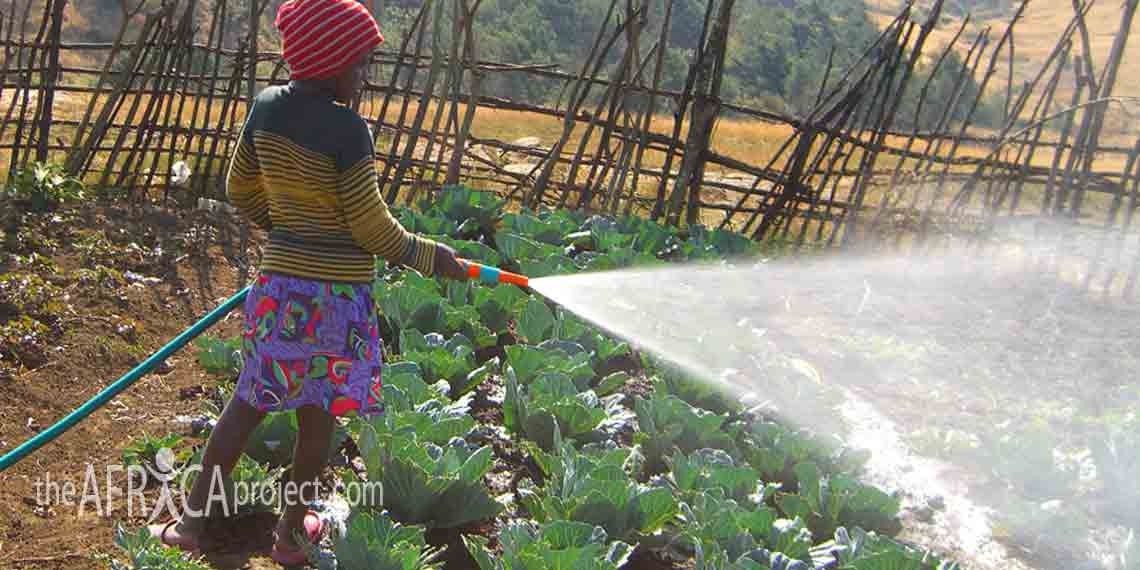
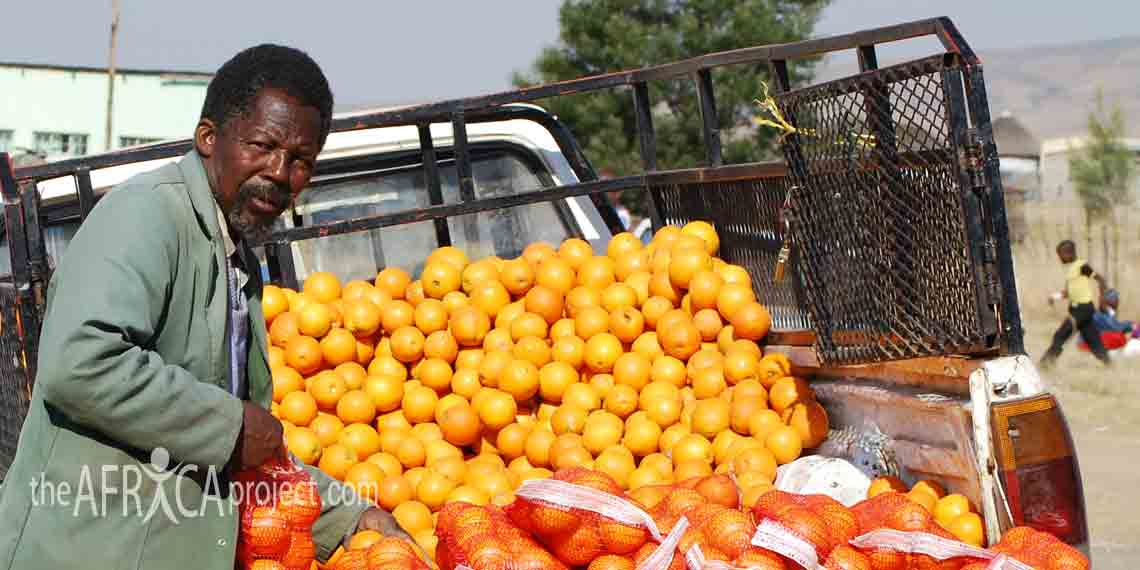
Garden Projects: The development and implementation of gardens is a way of creating a sustainable food source that benefits the entire family. Still, it is important to remember that these are not one time efforts. Maintaining a garden is difficult in the best of circumstances and in communities like Nkandla, the challenges are daunting. Consider the fact that most families may not have water at their homestead and may have to travel great distances to collect some from either communal taps or open streams. In addition, they may not have the tools needed to prepare the earth, or fencing to protect the garden from animals. To make matters worse, those we serve may be too sick to tend to a garden on their own. Our support focuses on helping families establish and maintain gardens, which may make a real difference. In addition to providing food for the family, some of the vegetables may be sold and the proceeds used to purchase other food items or basic needs.
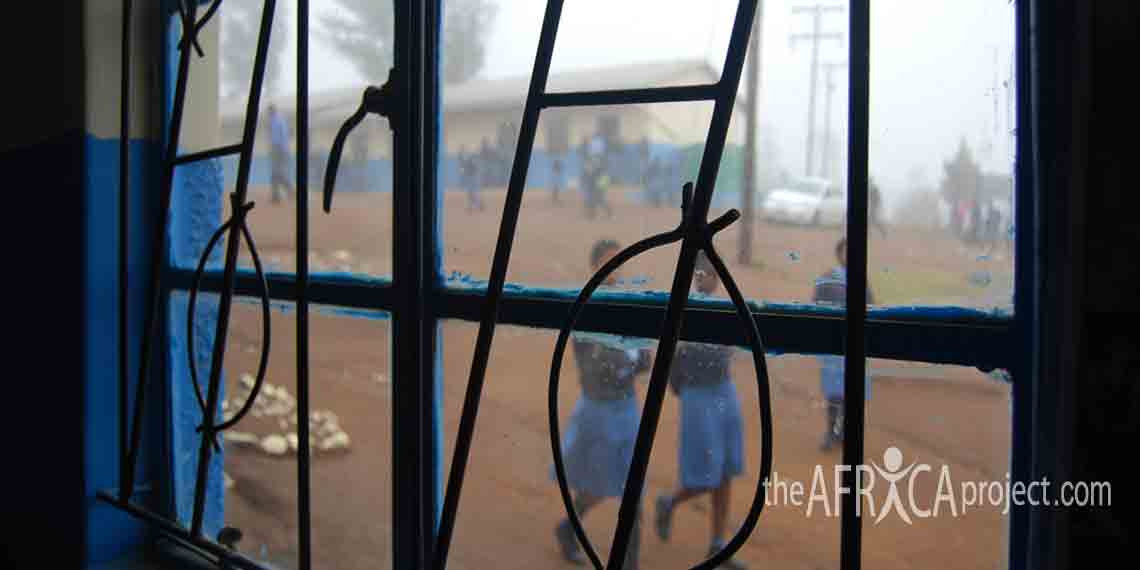
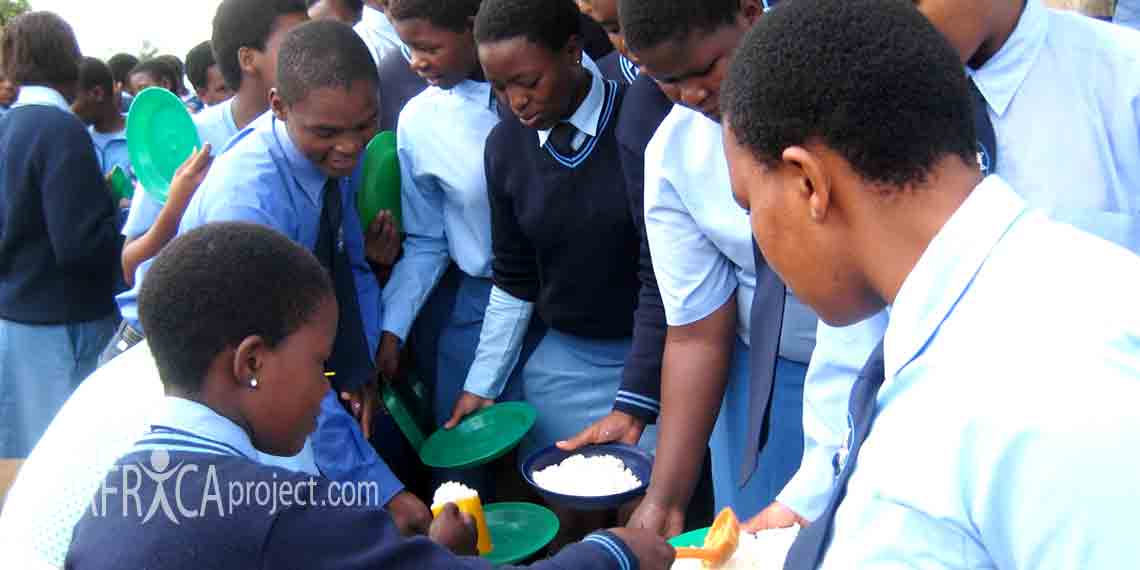
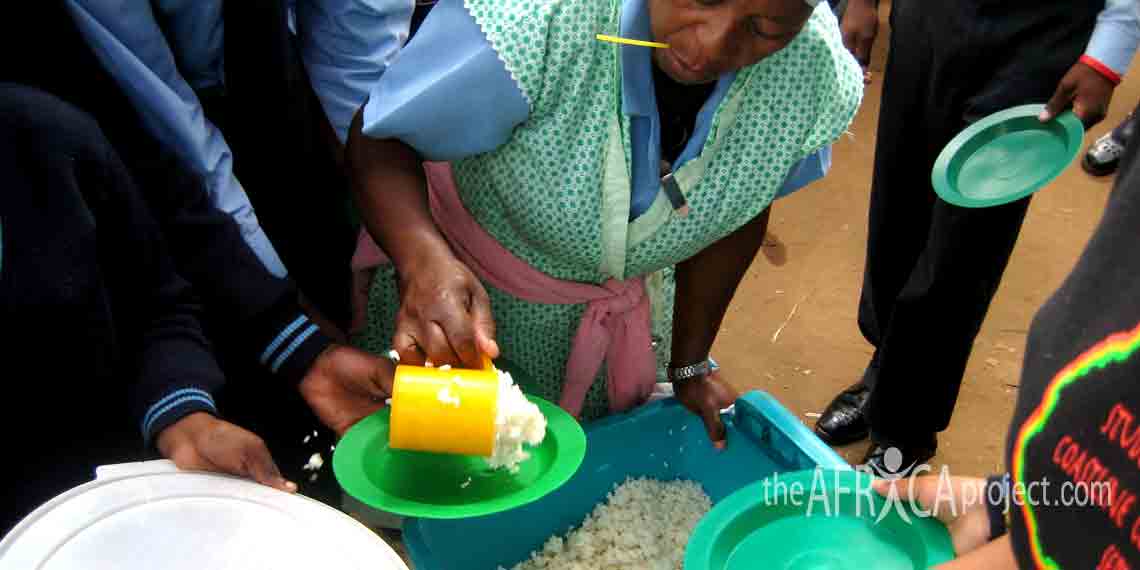
School Feeding Schemes: In 2006, a South African agency provided funding to Sizanani to provide lunches to students at several local schools in Nkandla. The following year, that agency ended the program, and The Africa Project stepped in to continue this important program. A few years later, the South African government established school lunch projects at every school, and this policy continues today.


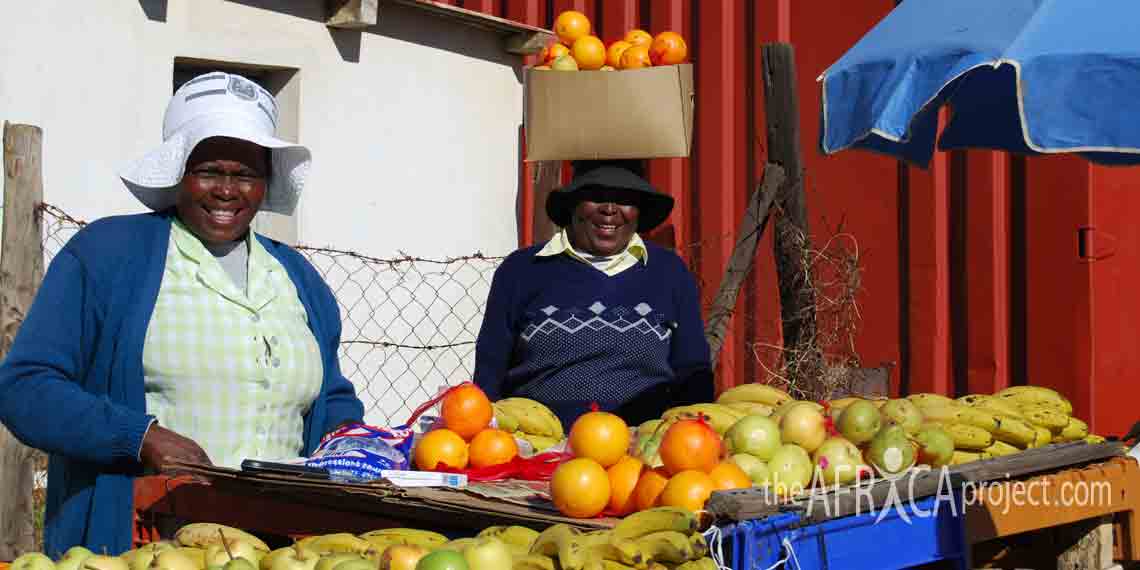

Food Glorious Food
By Peggy Goetz, Africa Unfinished
Children dance to celebrate
school lunch, rice and ground meat stew
cooked over a fire by a village woman,
every plate emptied clean. They dance
rhythm on bare cement floors,
school uniforms askew, mended desks
pushed aside, windows metal framed
with lumpy paint pushed open,
naked rafters clean with song.
Every day a meal with meat,
a luxury, provided by a village
in another world where children
throw food away.
The Africa Project supports the Sizanani Outreach Programme (SOP) and the Duduza Care Centre.